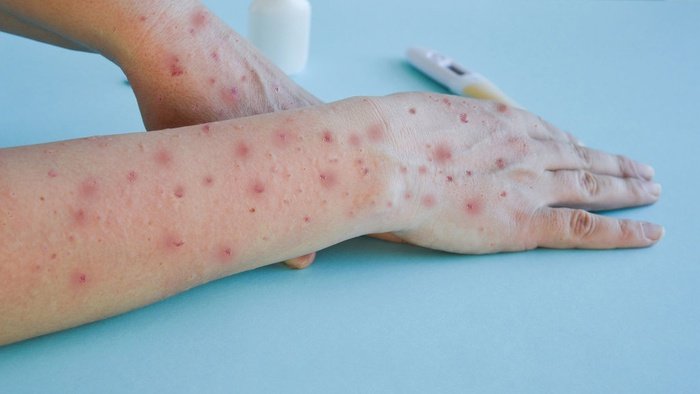
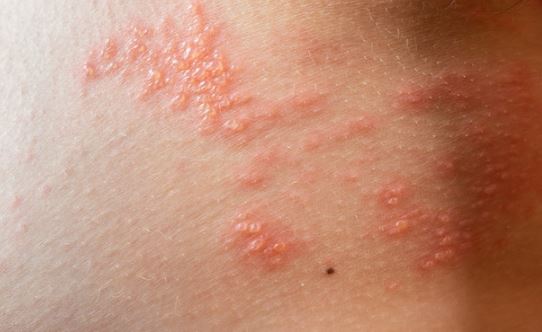
Chickenpox is a contagious disease caused by the Varicella-Zoster virus. It commonly affects children; however, adults can also become infected and usually experience more severe symptoms. Chickenpox spreads easily and often occurs in enclosed environments such as homes, schools, and childcare centers. Although most cases are not fatal, the disease requires proper attention as it may lead to complications if not managed appropriately.
Chickenpox infection spreads through airborne droplets released when an infected individual coughs or sneezes. In addition, direct contact with fluid-filled blisters on the patient’s skin can also cause transmission. The virus is highly contagious, and an infected person can spread it one to two days before the rash appears until all blisters have completely dried. The incubation period typically ranges from ten to twenty-one days after exposure to the virus.
The signs and symptoms of chickenpox develop gradually. In the early stage, patients may experience mild to moderate fever, headache, fatigue, and loss of appetite. This is followed by the appearance of red rashes on the skin, usually starting on the face and trunk before spreading to the rest of the body. These rashes develop into small, fluid-filled blisters that cause intense itching. The blisters eventually burst, dry up, and form scabs before healing completely. This process usually takes one to two weeks.
Although most cases of chickenpox resolve on their own, there is a risk of complications, especially among infants, pregnant women, the elderly, and individuals with weakened immune systems. Possible complications include bacterial skin infections due to scratching, pneumonia, brain infections, and permanent scarring of the skin. Therefore, proper care and health monitoring are essential to prevent more serious problems.
The treatment of chickenpox focuses on relieving symptoms and accelerating recovery. Patients are advised to get adequate rest, drink plenty of fluids, and take fever-reducing medications such as paracetamol. Itching can be relieved through the use of lotions or special baths. Patients are also advised to avoid scratching the blisters to prevent infection and scarring. In certain cases, doctors may prescribe antiviral medication, particularly for high-risk patients.
The most effective preventive measure against chickenpox is vaccination. Vaccination helps the body build immunity against the virus and can reduce the risk of infection or lessen the severity of the disease. In addition, good personal hygiene practices, patient isolation, and public awareness also play important roles in preventing the spread of this disease.
Resources:https://www.doctoroncall.com.my/health-centre/jangkitan/cacar-air/apa-itu-penyakit-cacar
Date of Input: 21/10/2025 | Updated: 19/12/2025 | aslamiah
MEDIA SHARING