
Influenza, commonly known as the flu, is a contagious respiratory illness that can cause symptoms ranging from mild to severe. It is caused by influenza viruses that infect the nose, throat, and sometimes the lungs.
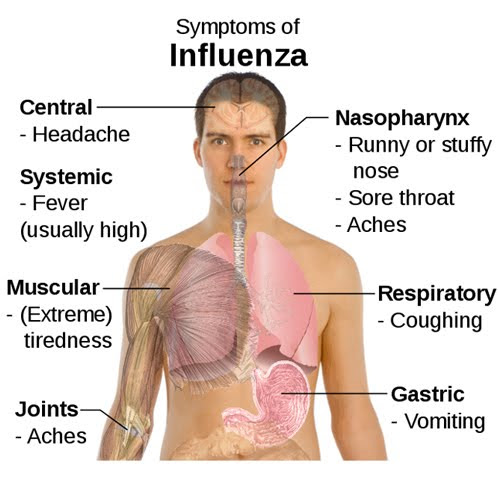
Symptoms of influenza usually appear suddenly after an incubation period of one to four days. Infected individuals may experience fever or chills, cough, sore throat, runny or stuffy nose, muscle aches, headaches, and extreme fatigue. In some cases, especially among children, vomiting or diarrhea may occur. Not everyone who is infected shows obvious symptoms, as some people can carry the virus without feeling sick.
The influenza virus spreads mainly through droplets released when an infected person coughs, sneezes, or talks. These droplets can enter the mouth or nose of nearby individuals. The virus can also spread when a person touches a contaminated surface and then touches their eyes, nose, or mouth. A person can transmit the virus even before symptoms appear and is most contagious during the first three days of illness.
Certain groups are at higher risk of developing serious complications from influenza, including adults aged 65 and older, children under five years old, pregnant women, and individuals with chronic health conditions such as asthma, diabetes, or heart disease. Complications can include pneumonia, ear or sinus infections, and the worsening of existing chronic diseases.
The most effective preventive measure is to receive the annual influenza vaccine, as the virus frequently mutates. In addition, practicing good hygiene such as washing hands regularly, covering the mouth and nose when coughing or sneezing, avoiding close contact with sick individuals, and ensuring proper ventilation can help prevent infection.
In terms of treatment, patients are advised to get plenty of rest, drink adequate fluids, and take medication to reduce fever and relieve discomfort. Certain antiviral medications can also help shorten the duration of illness if taken early in the infection.
Overall, influenza is not merely a common cold; it is a potentially serious disease that can lead to dangerous complications if ignored. Awareness of how the virus spreads, recognizing its symptoms, and following proper preventive measures are crucial to protecting oneself and the community from the harmful effects of influenza.
Resources: https://klinikakhi.com.my/gejala-influenza-bahaya/
Date of Input: 09/10/2025 | Updated: 21/08/2026 | adibbaharudin
MEDIA SHARING